 So, you’re keen to improve your metabolic health (refresher on that here). You’re sick of feeling tired, battling afternoon slumps, dealing with sugar cravings, and relying on coffee to get through the day. You’d love to sleep better and wake up feeling refreshed, have the energy to exercise more and deal with the brain fog. You know those extra kilos that have crept on need to go, not just because you’d love to fit into your old jeans, but because they’re affecting your health and wellbeing.
But how do we do that? Where do you start?
It can feel overwhelming. There’s endless, and often conflicting, advice online – do you focus on calories, should you start fasting, is resistance training or high intensity exercise best? Or are you supposed to do it all?
The best and most effective place to start is simpler than you think. Here’s my take on it…
Cutting back on sugars and starches: a powerful lever for better metabolic health
It’s a controversial topic, depending who you talk to. Some will disagree but I am so absolutely convinced carbs should be a light sprinkling on our plates, not the dominant macronutrient.
The average Australian consumes over 200 of carbohydrates daily (source), and eats frequently throughout the day, within a large eating window from breakfast around 7am through to an evening meal and snacks until around 10pm. This means the body is relying on incoming food for energy for most of the day, with little chance to access its own energy stores.
If the vast majority of the population weren’t eating excessive amounts of processed and refined carbohydrates, instead getting them from whole foods, in small amounts and cooked at home, we probably wouldn’t be having this conversation.
But here is the reality. Research from 2020 shows that 75.3% of Australians aged 14 and over ate take away food from fast food outlets in an average four weeks. Research also shows that Aussies eat 2.73 meals per week that are prepared outside the home.
Let’s be clear, I’m not singling carbs out as the sole problem. They’re not the enemy. Our body can use them effectively, but not when it is drowning in them: toast or cereal for brekkie; cake or muffin at morning tea; sandwich or ‘healthy’ smoothie for lunch; maybe tea and bikkies or a few crackers for arvo tea; pasta, pizza or a curry with rice for dinner; then, a sweet treat in the evening. This might be an exaggeration for some, but it is the reality for many.
Carbohydrates are not considered an essential macronutrient, which means we don’t need to consume them to survive. When we eat carbohydrates, they break down into glucose. If we don’t eat them, our bodies will make the small amount of glucose we need from protein and fat. This is called gluconeogenesis.
Protein and fat are a different story. They provide essential amino acids and essential fatty acids, which our bodies can’t make on their own, so it’s important we get them from good quality sources in our diet.
What happens when you eat fewer carbohydrates?
If the current stats in Australia show that 27% of children, and 67% of adults, are living with overweight or obesity, could it be that the current foodscape and recommendations are missing the mark?
It’s becoming clear to me, from the study and research I am doing, that the key is to reduce the amount of glucose entering the bloodstream, which means less insulin is needed to move it into your cells.
Over time, consistently lower insulin levels can help improve insulin sensitivity, making your body more metabolically flexible. Instead of relying on a constant supply of glucose, your body becomes more efficient at burning fat for fuel, both from your meals and from your own fat stores. People tend to find that they have steadier energy levels, fewer cravings, longer-lasting fullness and, if they have excess body fat, weight loss becomes much easier.
Practical ways to improve your metabolic health
We’ll keep unpacking this in future blogs, and through posts, comments and questions in my Better Metabolic Health Facebook group (join us, here), but for now, here are some of my simplest tips to get you started:
〉Ditch processed and refined ‘foods’, and limit sugars and starches
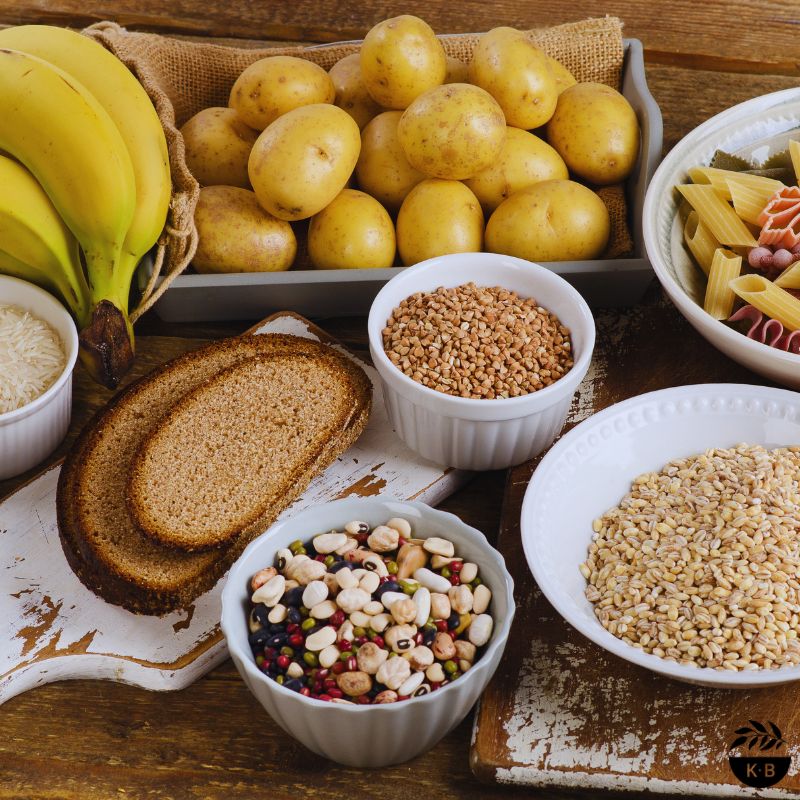
This includes bread, rice, pasta, grains, legumes, sweet treats (cakes, donuts, chocolate, lollies, sugary drinks etc.).
〉Focus on low-carb, real foods
The lower the carbs, the better. Personally, my day is filled with protein sources (meat, eggs, aged cheese), fermented foods (sauerkraut, kimchi), avocado, and some veg (not every day, and not much of it; mushrooms, broccoli, cauliflower, cucumber, green beans etc.).
Beware of foods that sneak carbohydrates into your day, especially sauces, dressings, marinades and seasonings. It also pays to compare brands. For example, one jar of pickles might contain just 1.3g of carbohydrates per 100g, while another has 12g per 100g. A quick glance at the nutrition panel can make a big difference
〉Opt for high protein and adequate fat
This = feeling full! I can almost guarantee you won’t be hungry if you eat this way. In fact, you’ll likely effortlessly consume fewer calories. The problem with low calorie diets is that they often rely on willpower. Once the novelty wears off, hunger rings its loud bells, and hunger almost always wins the fight! So, eating the right foods to feel full and satiated, which also keeps your hormones (ahhh… hello insulin) in check, is the aim! Protein also helps preserve and build muscle, which is one of the biggest drivers of good metabolic health.
〉On the topic of calories…
Don’t worry about them to start with. Let’s get those glucose spikes sorted, reduce insulin, and get your body switching from predominantly burning glucose (and often storing the excess) to burning fat.
〉How many carbs?
I personally aim for 20g of net carbs a day, but anywhere under 50g is great. Net carbs are the total carbohydrates minus fibre, as fibre isn’t digested in the same way and generally has very little impact on blood sugar. If you’re currently eating a typical Australian diet that’s high in carbohydrates, don’t feel like you need to jump straight to 50g. Simply reducing your intake to under 100g of net carbs a day is a great start. As your body adapts, you can always lower it further if you choose. If you’d like help working out your current carbohydrate intake or setting a target, leave a comment or send me an email.
〉Move after meals
Even if it’s only for 10 minutes. Walk, dance, do the housework, or try some kitchen-sink squats. This will help shuttle glucose out of your bloodstream and into your muscles to be used as fuel.
〉Think about muscles
Resistance training improves insulin sensitivity, supports healthy ageing and gives your body a bigger ‘sink’ to store glucose. You don’t have to become a gym junkie. Start with 10 squats or chair dips every time you go to the toilet or the kids call ‘Mum’, haha. Build from there.
〉Consider electrolytes, especially in those early days
High insulin usually means we retain more sodium and water, so when insulin levels drop, we pee more and lose sodium. This can make us feel blahhhhhh. If you feel flat, tired and headachy in the first week or two, don’t automatically assume low-carb isn’t for you. More often than not, you simply need more electrolytes and a little more time to adjust. If you want to check out my favourite Aussie electrolytes, follow this link for 15% off.
〉Prioritise sleep
Not always easy, I know, but making it a priority and getting into good habits (more on this in future blog posts) is super important. Poor sleep can increase hunger, cravings and insulin resistance the very next day. It’s one of the most underrated tools for improving metabolic health.
A couple of things people usually ask me at this point:
〉But isn’t fruit healthy?
Yep, whole fruit has fibre, water and nutrients that most processed carbohydrate foods don’t, so it’s certainly not in the same category as bread or lollies. That said, it still breaks down to glucose, and some fruits are surprisingly high in carbohydrates and can be easy to over-consume. If you choose to include fruit, opt for lower-carb options like blueberries and strawberries, keep portions small, and enjoy them when they’re in season.
〉What about fibre?
Ok, this will definitely get its own post. The jury is out on fibre. If you’re doing low-carb right, you may just find your gut settles into a beautiful rhythm without all the extra bulk (I know mine has).
〉Won’t fat make me fat?
Oh boy, this is a big one, and yep you guessed it, there will be a blog dedicated to that soon. Short version: much of the fear of dietary fat originated from early research that has since been heavily debated and re-evaluated. Fat isn’t the enemy here. If I was going to throw shade at anything, it’d be sugar and refined carbs.
I’m not saying you can never have cake or pizza or a can of Coke! If you’ve been following me for a while you’ll know I’m a big fan of balance, the 80/20 approach and all that. But some of you may need to tackle things more aggressively, especially if you’re dealing with type 2 diabetes, insulin resistance, hypertension, excess weight, visceral fat, etc. As your body becomes more metabolically flexible, you might find you can gradually become more flexible with your meals too.
The goal isn’t lifelong restriction.
The goal is restoring your metabolic health first, then finding an enjoyable way of eating that helps you maintain it for life.
Remember, you can’t undo years of poor habits that have led to poor metabolic health overnight. Good metabolic health is built through hundreds of small decisions repeated consistently over time. Don’t feel like you need to overhaul your entire life overnight. Pick one or two things from this guide, make them habits, then build from there. Progress beats perfection every single time.
It goes without saying, do your own research and consult with whoever you place your trust in when it comes to health, before making any lifestyle changes.