Electric composting – my experience

I got an electric composter recently after sitting on the decision for quite a while. I’m so glad I finally bit the bullet.

For years, I used a platform called ShareWaste and loved it. Someone local collected my food scraps and used them for composting, worm farms and chickens. Sadly, the platform stopped operating, and I lost my connection. I then found a friend who started taking my scraps, often sending me home with eggs and veggies in return. Pretty good deal, really. I was always amazed at how grateful she was for my scraps, literally, my waste!

But winter came around, everything slowed down, my friend didn’t need as much and I was kinda sick of collecting, driving and dropping off etc. I wanted to be more self-sufficient, and handle it all in-house basically.

We’ve tried traditional composting a number of times and just never got the hang of it. Could I have invested more time into learning? Probably. But alas, here we are. Those of you out there who are pros, please don’t groan – I pick my battles, and I take my hat off to you!
This is where the my new sustainability companion steps in…

In a nutshell, this is the general concept:

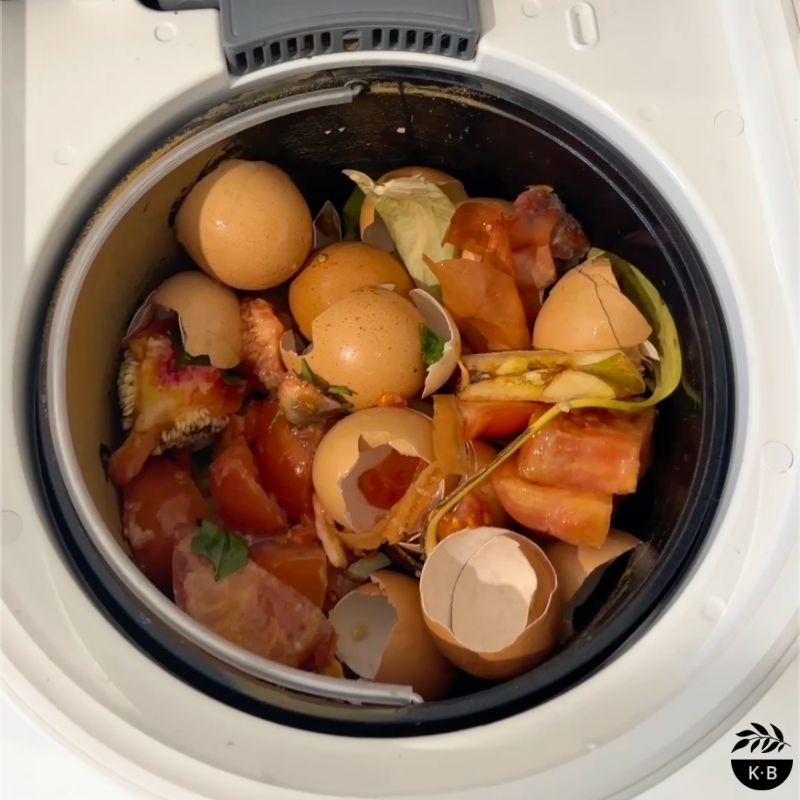
I collect food scraps in a bucket in the kitchen. The common offenders for us are eggshells, veggie peels and ends, coffee grounds, meal leftovers and other food waste, plus the odd piece of paper towel or tissue. It all goes in. When the bucket is full, I tip it into the machine and let it do its magic. Six or hours later, the process is complete.

Electric composting explained

Despite the name, most electric ‘composters’ don’t actually compost your food. They heat, dry and grind it, dramatically reducing its volume and turning it into a dry, granular, soil-like material. What comes out isn’t finished compost.

The heat and drying process reduces microbial activity, and the material still needs time to break down and stabilise before being used around plants. A secondary composting stage is needed.

I have five garden beds, so I’ve dedicated one to this ‘pre-compost’. I mix the dried material thoroughly through the soil, keep it reasonably moist and let the soil microbes get to work. After a few weeks, the material begins breaking down and its nutrients become incorporated into the soil. From there, I can take some of that enriched soil and add it to garden beds or pot plants.

Another bonus?

The dried material is much easier to store than a bucket of decomposing kitchen scraps, so I can stockpile it when needed. When I get more than I can handle myself, I’ll ask around and see who might like a bucket or two.

Even if you’re not into gardening, keeping food waste out of landfill matters. Food buried in landfill decomposes without much oxygen and produces methane, a potent greenhouse gas.

In Rubbish! The Archaeology of Garbage, researchers found food scraps preserved for decades in landfill, including 25-year-old lettuce that was still recognisable. Food doesn’t break down in landfill nearly as quickly as you might think.

Which electric composter did I get?

I did my research and it came down to availability, reviews and cost. This one, the Ouaken OK-255 (and I have no affiliation with the brand or Amazon, although maybe I should get onto that, haha) won me over. If you have other recommendations, leave a comment so others have options to consider when researching for themselves.

Krissy Ballinger

Author, natural living advocate & integrative health coach

Krissy empowers individuals to embrace toxin-free living, improve metabolic health, and build sustainable habits for lasting wellbeing. A recognised voice in natural living, her books – including the award-winning Naturally Inspired – have reached more than 100,000 readers.

Leave a Reply

Your email address will not be published. Required fields are marked *

Post comment