 Have you heard of phthalates before? A number of studies have been carried out on the impact of phthalates on human health, and another one has just been released – which prompted me to share some information with you.
Phthalates are widely used synthetic chemicals that are known to disrupt the hormonal system and can be detrimental to human health. They can be found in many products that come into contact with plastics during production, packaging or delivery.
Despite the short half-lives in tissues, chronic exposure to phthalates will adversely influence the endocrine system and functioning of multiple organs, which has negative long-term impacts on the success of pregnancy, child growth and development, and reproductive systems in both young children and adolescents. (source)
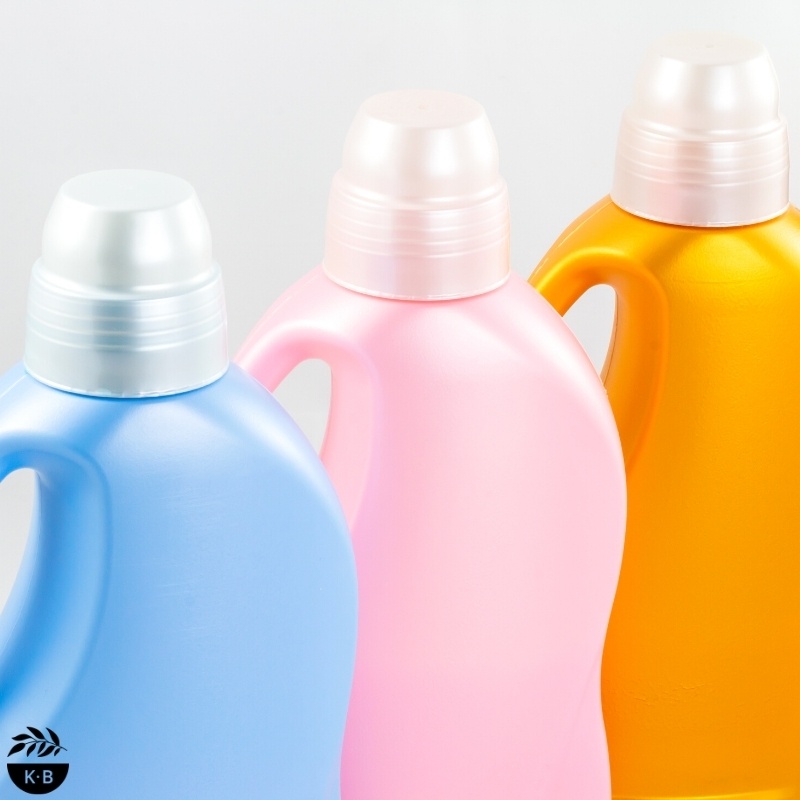
Some examples of products where you may find phthalates include food packaging, clothing, shampoo, makeup, children’s toys, PVC plumbing, vinyl flooring, rain- and stain-resistant products, medical tubing and garden hoses. They may also be added to personal care (and cleaning) products to help fragrance last longer. (source)
It’s worth noting that some phthalates are said to be ‘worse’ than others. The American Chemistry Council has stated that this recent study which found phthalates may contribute to more than 90,000 premature deaths each year among people aged 55 to 64 in the US – grouped all phthalates together. They argue that high-molecular-weight phthalates like DINP and DIDP have lower toxicity than others. They state: “Much of the content within Trasande et al’s latest study is demonstrably inaccurate. Studies such as these fail to consider all phthalates individually and consistently ignore or downplay the existence of science-based, authoritative conclusions regarding the safety of high molecular weight phthalates.“
The question that begs to be asked is – do we really know that some of these chemicals are worse than others, or has the research simply not been completed yet?
As the lead author of the study, Dr Leonardo Trasande – a professor of paediatrics, environmental medicine and population health at NYU Langone Health – explains: “I’m never going to tell you this is a definitive study. It is a snapshot in time and can only show an association. Learning exactly how phthalates may affect the body requires a gold-standard double-blinded randomized clinical trial yet such a study will never be done because we cannot ethically randomize people to be exposed to potentially toxic chemicals”.
As far as I see it, rather than take the chance, I’ll pay attention to the research that does exist, the kind that plants several seeds of doubt in my mind as to the safety of these (and many other) chemicals, and try to avoid them where possible.
Here are some simple ways to reduce your exposure to phthalates and other endocrine disruptors such as BPA:
〉Say no to thermal receipts, or opt for digital where possible (they can contain BPA/BPS; this is now regulated in the EU, not in the US or Australia as far as I’m aware).
〉Choose glass or stainless steel storage containers, and never put plastic containers in the microwave or dishwasher (the heat can break down the linings).
〉Opt for fresh food over canned or packaged options.
〉Ditch fragranced products – this includes things like smelly stickers, shoes, stationery, clothing etc.
How does this information make you feel? Did you know phthalates existed, where they might be hiding, and of the associated health impacts? Are you motivated to make any small changes to your daily routine? I hope so.